 Batanes Philippines Tours
Best Time to Visit Batanes: Month-by-Month Guide
Last reviewed August 2026
The best time to visit Batanes is February to April, and April is the driest month of the year. The dry season as a whole runs December to May; typhoon season is June to November with August the worst of it. Temperature barely moves, roughly 22 to 28°C all year, so the month you pick is not about heat. It is about wind, rain, and whether the one morning boat to Sabtang sails on the day you booked it.
Quick answer
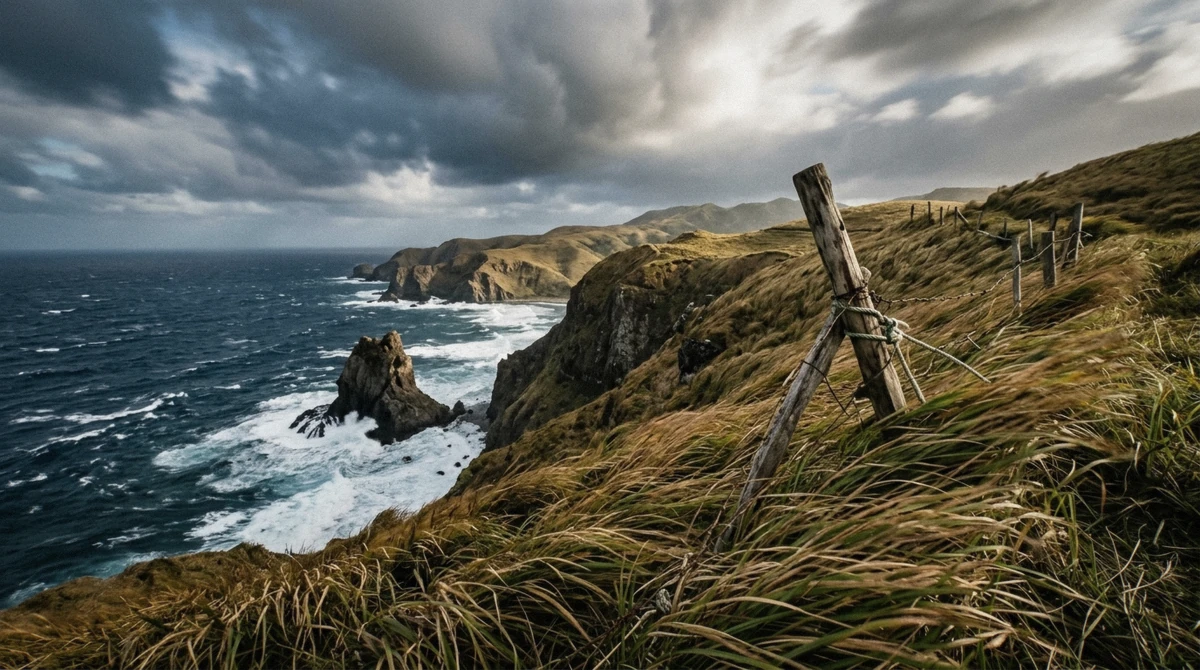
February to April is the settled window in Batanes, with April the driest month. December to May is the dry season overall, cooled from November to February by the Amihan northeast wind. June to November is typhoon season and August is the month typhoons hit hardest, the month a fixed three-day itinerary is most likely to break, because both flights and the Sabtang crossing cancel.
Key takeaways
- April is the driest month; February and March are the settled shoulder either side
- August is the worst typhoon month, avoid it if your dates cannot move
- Daytime temperatures sit around 22 to 28°C year-round; the wind is the variable
- Jacket December to March, rain jacket July to November, the operators' own packing advice
- The Sabtang boat is what season really decides. How the crossing works
- Picked a month? See what is bookable online
Book the Boat Day Early in the Trip
Whatever month you pick, put Sabtang at the front of the itinerary so a cancelled crossing still leaves a second chance. These packages sequence it that way. Prices read in August 2026.
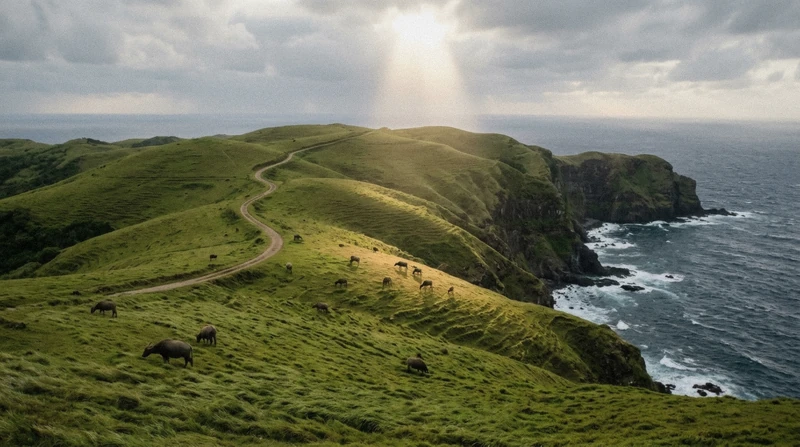
3-Day Batanes Package: North Batan, Sabtang & South Batan
The cheapest way to cover all three standard routes. Day 1 runs 12:00–18:00 on North Batan, day 2 leaves at 05:30 for the Sabtang boat, day…
- Cancellation
- Free cancellation 48h
- Operator
- an operator the listing does not name (reviewers name Chanpan Tours)
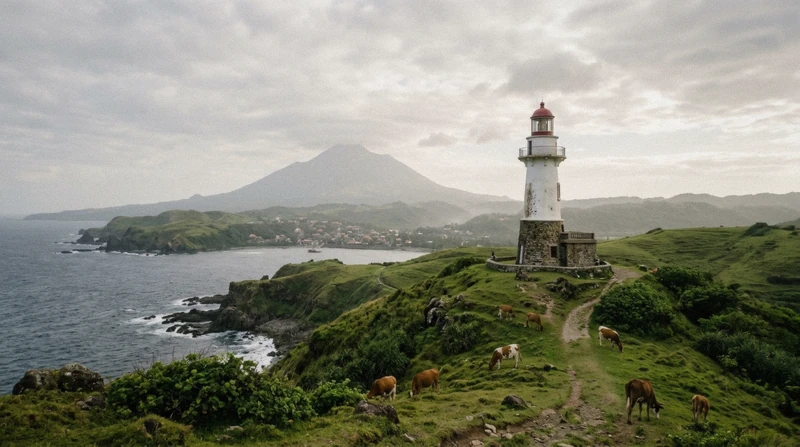
2-Day Batanes Package: North Batan & South Batan
The cheapest listing compared here, and the one to pick if your flight schedule leaves no room for the Sabtang boat day. Day 1 runs 12:00–18:00…
- Cancellation
- Free cancellation 48h
- Operator
- an operator the listing does not name (reviewers name Chanpan Tours)

Batanes: Sabtang Island Tour with Lunch
The shorter of the two Sabtang listings and the one sold as a private group. It covers the two heritage villages rather than a long stop…
- Cancellation
- Free cancellation 24h
- Operator
- Gladex Travel and Tours Corp.
The Short Answer
Two windows matter: the settled one and the one to avoid.
February to April
This is the stretch everybody who writes about Batanes converges on. The Amihan wind is easing, rainfall is at its lowest, the sea is calmer than at any other point in the year and April is the driest month on the calendar.
It is also the busiest and the most expensive for flights, which on a route with capped seat capacity matters more than it would anywhere else. If your dates are fixed and your itinerary is tight, pay for this window.
| Window | Rain and sea | Boat odds | What it costs you |
|---|---|---|---|
| February to April | Driest of the year, calmest channel | Best | Peak flight prices |
| December to January | Dry, cold, strong Amihan wind | Good | Jacket weather; choppier crossings |
| May | Dry turning unsettled | Good | First storms can arrive late |
| June to July | Wet, unpredictable | Poor | Cheaper flights, real cancellation risk |
| August | Worst typhoon month | Worst | Flights and boats both cancel |
| September to November | Wet, greenest landscape | Mixed | Cheapest flights, plan spare days |
June to November, and August especially
Typhoon season. Batanes sits at the top of the Luzon Strait and takes the first hit from storms crossing toward Taiwan and northern Luzon, and August is the month they arrive most often.
What that cancels is not the scenery, the islands are at their greenest in the wet months, but the logistics. A grounded flight in Basco means waiting for the next one, which may not be tomorrow. A closed channel means Sabtang does not happen. Both the multi-day packages tell you to pack a rain jacket or umbrella from July to November.
December to January
Dry, clear, and genuinely cold by Philippine standards. The Amihan northeast trade wind sets in around November and blows through February, which is why both multi-day listings put "jacket (December-March)" on their packing lists, an unusual line for a tropical destination and an accurate one here.
It is a good window if you do not mind wind. Sea conditions are less reliable than in March and April, so the Sabtang risk is real but not severe.
Batanes Month by Month
Temperature stays in a narrow band all year. What changes is wind, rain and whether the boat sails.
- DecemberCool, windy, dryAmihan sets in. Evenings are genuinely cold by Philippine standards, both multi-day listings put a jacket on the packing list from this month.
- JanuaryCool and clearDry and green after the rains. Constant wind; a hat with a chin strap is not a joke on the hills.
- FebruaryThe settled window opensWidely named the start of the best stretch. Sea conditions improve, so the Sabtang crossing runs more reliably.
- MarchPeak conditionsWarm days, low rain, calmer channel. This and April are when the postcard version of Batanes actually shows up.
- AprilDriest month of the yearThe safest bet for a three-day circuit going through without a cancelled boat day. Also the busiest, and flights price accordingly.
- MayEnd of the dry seasonStill largely dry; the first storms of the season can arrive late in the month.
- JuneTyphoon season beginsRain jacket weather from here to November per the operators' packing lists. The provincial visitor registration also took effect on 15 June 2026.
- JulyWet and unsettledBoat days become a gamble. Put the Sabtang leg early in the trip so a cancellation leaves room to try again.
- AugustThe worst month for typhoonsThe month typhoons hit hardest. Flights and faluwa crossings both cancel; build spare days or travel another month.
- SeptemberStill storm seasonImproving late but unpredictable. Cheaper flights, and a real chance of losing a day to weather.
- OctoberTail of the wet seasonThe islands are at their greenest. Rain still frequent; the channel still closes without much warning.
- NovemberTurningStorm risk falls away and Amihan begins. A decent shoulder month if you can take some wind.
Sources: published Batanes climate summaries and the seasonal packing advice printed on the multi-day listings compared here. Weather in Batanes changes faster than any calendar; treat this as odds, not a forecast.
The Amihan Wind, and Why the Province Is Named After It
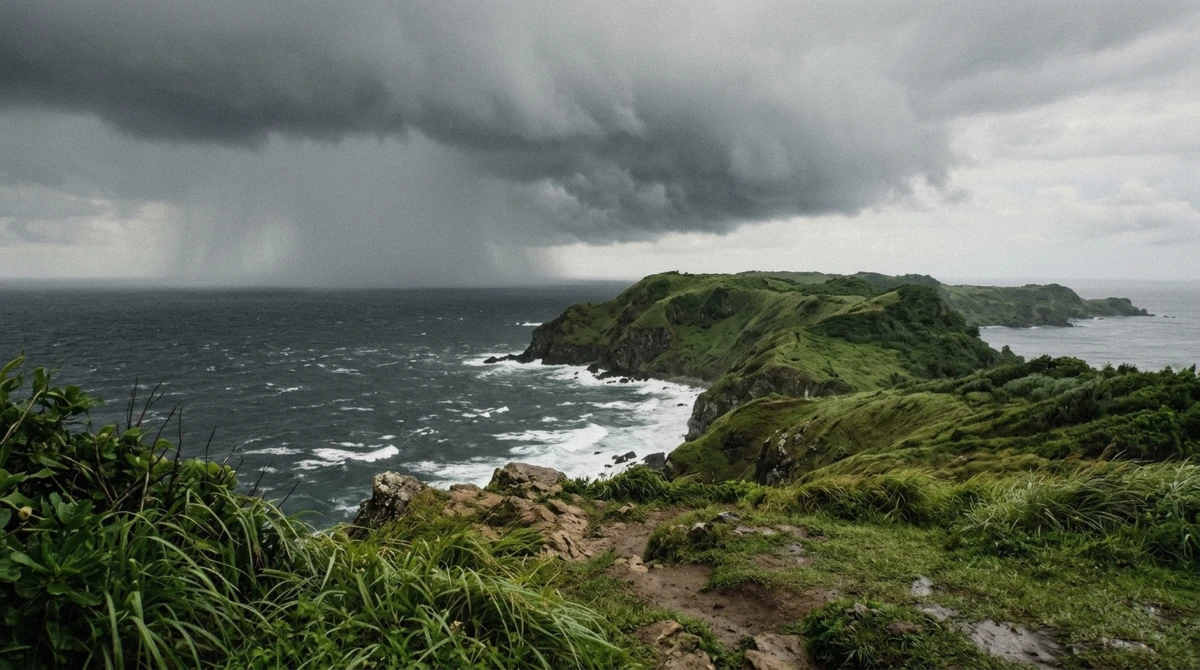
Batanes is called the Home of the Winds, and that is a description rather than a slogan.
What Amihan does
The Amihan is the northeast monsoon, blowing roughly November to February, bringing cool dry air down from the north. It is the force behind the clear, sunny weather of the peak season, and it is why Batanes evenings in January can require a jacket at a latitude where nothing else in the Philippines does.
The province's geographical position at the top of the archipelago means it gets the wind before anywhere else, all year, in every season. The listing for the four-day package puts it plainly: strong winds are why the province is called the Home of the Winds.
What the wind means on the ground
It shapes everything you will photograph. Ivatan stone houses have metre-thick lime-and-stone walls and cogon-grass roofs because lighter buildings do not survive; the vakul headgear woven in Chavayan exists because umbrellas are useless here; the Mahatao boat shelter port is a stone harbour built specifically to hide fishing boats from it.
Practically: bring a hat with a chin strap, expect exposed viewpoints like Racuh a Payaman and Chamantad-Tinyan to be windy in any month, and do not plan on a drone, the KKJ four-day package bans them outright.
What Typhoon Season Actually Cancels
Not the trip. The two legs of it that have no alternative.
The Sabtang crossing
The faluwa leaves Ivana Port at roughly 06:00 to 07:00, usually once a day, and takes 30 to 45 minutes across water where the currents of the West Philippine Sea and the Pacific meet. When the channel is rough it does not sail at all, and there is no second boat and no bridge.
Inside a multi-day package the operator simply swaps the Sabtang day for a road route on Batan, reviewers of the 3-day package describe the agency rearranging the schedule the night before to save the itinerary. A standalone Sabtang day booked for a single date has no such flexibility.
The flight
Basco Airport is the only airport in the province, and weather that closes the channel also grounds aircraft. A grounded flight means waiting for the next one, which on a route with limited frequency may not be the next day.
This is the argument for building a spare day into any Batanes trip, in any month. How many days you actually need works that through.
What it does not cancel
The road routes. North Batan and South Batan are drivable in rain, and the islands in the wet months are greener than the dry-season photographs suggest. Reviewers who went in late December describe a light drizzle as "just right to still appreciate the view".
If your dates fall in the wet half of the year, book the routes that do not depend on a boat, and treat Sabtang as a bonus rather than the centrepiece.
What to Pack, by Season
The operators' own lists, which split neatly at two points in the calendar.
December to March
A jacket. Both tour listings say so explicitly, and the Amihan is the reason. Evenings and early mornings, including the 05:30 pickup for the Sabtang boat, are cold enough to matter.
Add a hat that stays on, sunglasses and sunscreen: dry season means strong sun on exposed hills, and Racuh a Payaman has no shade at all.
July to November
A rain jacket or an umbrella, on the same operators' advice, though an umbrella in Batanes wind is largely decorative. A poncho or shell is the practical version, and it doubles as spray protection on the faluwa.
Quick-drying clothes and a dry bag for anything electronic are worth the space in these months.
- Valid government ID, needed for registration and checked on arrival
- Jacket (December to March) or rain jacket (July to November)
- Shoes or sandals that hold on wet, slippery ground
- Conservative clothing, sleeveless shirts are banned at chapel stops on several tours
- Sunscreen, sunglasses, a hat with a chin strap, insect repellent
- Power bank and a reusable tumbler
- Motion-sickness tablets for the Sabtang or Itbayat crossing
- Emergency cash in pesos, Basco has two banks and no money changer
One thing that does not change with the season
Whatever month you pick, the paperwork is the same. Since 15 June 2026, under Executive Order No. 23, Series of 2026, every visitor to Batanes must pre-register at bookings.strikingbatanes.com and pay PHP 405 per person: a PHP 200 ecotourism fee plus a PHP 205 visitor ID fee, submitting a government ID or passport, a verification selfie, their accommodation and a Department of Tourism-accredited tour operator.
Approval returns a QR code by email, which is checked at Basco Airport and exchanged for a physical PVC visitor ID. Do it before you fly, in any season. The full walkthrough.
Batanes Timing Questions
What month is the best to go to Batanes?
April is the driest month of the year, and February to April is the settled window overall, low rain, calmer seas, and the best odds that the Sabtang crossing runs on the day you booked it. It is also the busiest period, and flights on a capacity-capped route price accordingly.
When not to go to Batanes?
August, if your dates can move. It is the month typhoons hit hardest, and both flights and the faluwa crossing cancel. Typhoon season broadly runs June to November. The islands are beautiful in those months; the logistics are not.
What is the weather like in Batanes?
Daytime temperatures sit at roughly 22 to 28°C all year, so heat is never the issue. The dry season runs December to May, the wet season June to November, and the cool Amihan northeast wind blows from about November to February. Wind is constant in every month, the province is called the Home of the Winds.
Does the Sabtang boat run all year?
It runs whenever the channel allows, which is most days in the dry season and unpredictably in the wet one. The faluwa leaves Ivana Port at around 06:00 to 07:00, usually once a day, and does not sail at all when the sea is rough. There is no alternative crossing.
How many days do you need in Batanes?
Three touring days covers North Batan, South Batan and Sabtang, the 3-day package at $96.79 is built that way. Five days on the ground is the local recommendation, and in the wet season it is closer to essential. The itinerary breakdown.
Is it cheaper to go in the wet season?
Flights are, and that is the largest line in a Batanes budget, roughly PHP 4,000 to PHP 15,000 return across the year. Tour prices do not change by season. What you are buying with the saving is risk: a cancelled crossing or a delayed flight costs more than the discount. The full budget.